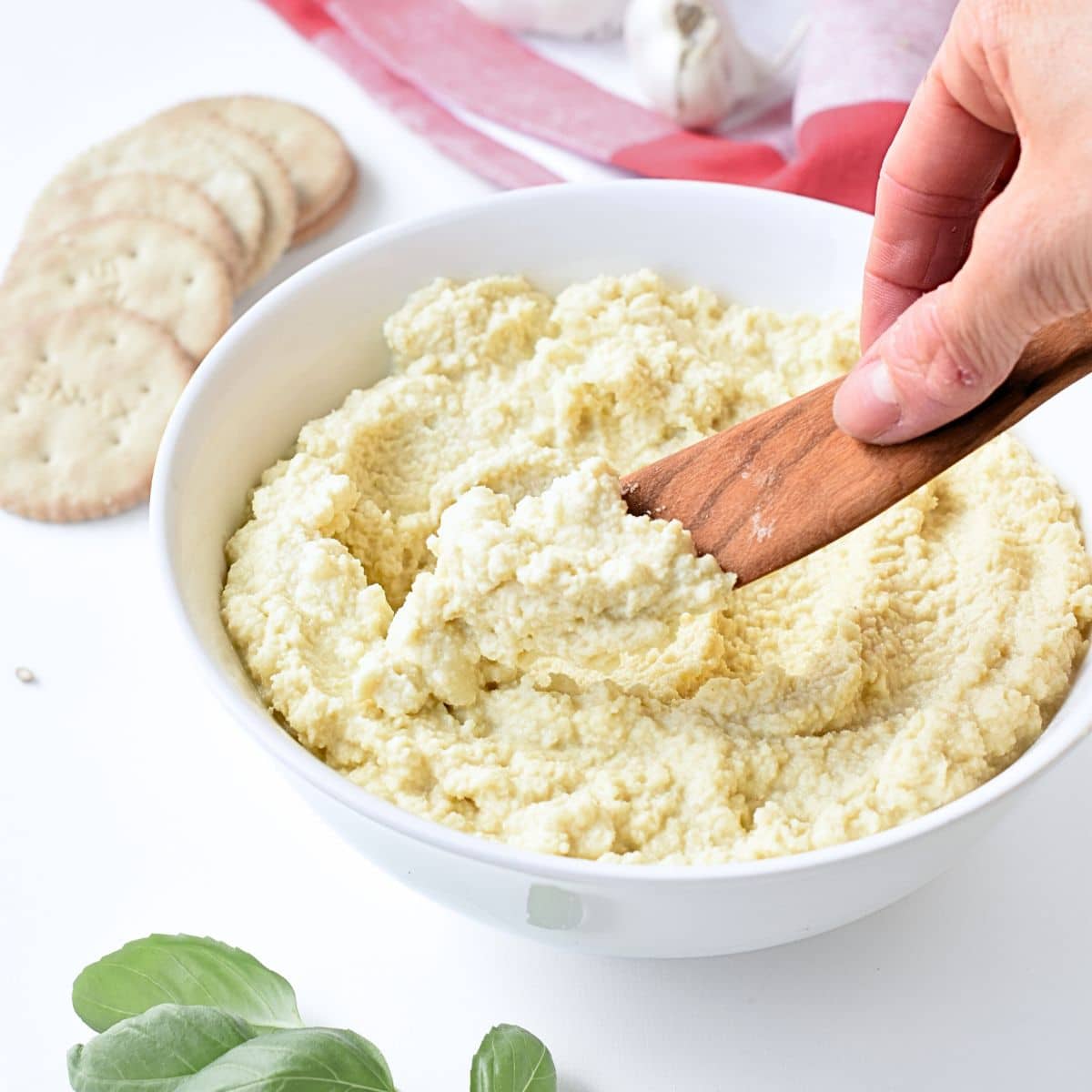
Make Vegan Almond Ricotta in Minutes with Just 4 Ingredients
For many embracing a plant-based lifestyle or navigating dietary restrictions, the quest for satisfying dairy-free cheese alternatives can feel like an endless journey. While the market has seen incredible innovation in recent years, replicating the nuanced textures and flavors of traditional cheeses at home often seems daunting. However, when it comes to soft, mild varieties, homemade options truly shine. Enter vegan ricotta cheese – specifically, a delightful and incredibly simple almond ricotta that you can whip up in minutes with just four core ingredients. This isn't just a passable substitute; it's a creamy, tangy, and subtly cheesy creation that’s 100% dairy-free, gluten-free, and soy-free, ready to elevate countless dishes. This homemade gem stands out not only for its simplicity and minimal ingredient list but also for its remarkable versatility. Forget about processed ingredients or lengthy, complicated procedures. This recipe leverages common pantry staples to deliver a fresh, wholesome, and unbelievably adaptable cheese alternative that truly delivers on flavor and texture.Why Homemade Vegan Ricotta Cheese is a Game-Changer
The world of vegan cheese has certainly expanded, yet many store-bought options can be expensive, laden with additives, or simply miss the mark on taste and texture. This is where creating your own vegan ricotta cheese becomes a transformative experience. Unlike harder, aged cheeses that require specific cultures and aging processes, ricotta is a fresh, soft cheese, making it far more amenable to a simple, homemade plant-based rendition. The mild flavor and creamy consistency are surprisingly easy to emulate with nuts, particularly almonds. Opting for homemade almond ricotta means you have complete control over the ingredients, ensuring a product free from unwanted preservatives, artificial flavors, or unnecessary oils. This makes it an ideal choice for anyone prioritizing whole foods, managing allergies, or simply seeking a healthier alternative. Beyond being naturally dairy-free, this almond-based version is also gluten-free and soy-free, addressing common dietary concerns without compromising on deliciousness. It's a testament to how simple, natural ingredients can create something truly spectacular and satisfying. For more insights into its adaptability, explore our article on Dairy-Free Almond Ricotta: The Ultimate Versatile Cheese Alternative.The Minimalist Magic: Just 4 Core Ingredients for Your Almond Ricotta
The beauty of this almond ricotta lies in its fundamental simplicity. With just four essential components – almonds, an acid, salt, and water – you’re well on your way to creating a rich, creamy, and satisfying vegan cheese. Many of these ingredients are likely already staples in your kitchen!Here’s a closer look at the key players:
- Raw Almonds: The foundation of our ricotta. You can use whole blanched almonds for the smoothest, palest ricotta, or almond slivers for convenience. If you don't mind a slightly speckled appearance and want to maximize nutrition, raw whole almonds with their skins on work just as well. The key is raw almonds, as roasted almonds will impart a different flavor profile.
- Acidity (Lemon Juice, Lime Juice, or Apple Cider Vinegar): This is crucial for providing the signature tangy note that characterizes ricotta and helps mimic the "curdled" texture. Fresh lemon juice is often preferred for its bright, clean flavor, but lime juice offers a subtly different zest, and apple cider vinegar provides a sharper tang. Choose what best suits your palate or what you have on hand.
- Salt: Essential for seasoning and balancing the flavors. A good pinch of fine sea salt can make all the difference. You can also add a touch of black pepper for a subtle kick, especially if using the ricotta in savory dishes.
- Water: This humble ingredient is vital for achieving the perfect creamy, spreadable consistency. You’ll add it gradually to ensure your ricotta reaches your desired texture without becoming too thin.
While these four are the absolute essentials, a few optional additions can enhance your vegan ricotta cheese:
- Nutritional Yeast: For those seeking a more pronounced "cheesy" umami flavor, nutritional yeast is your best friend. Start with a tablespoon and adjust to taste.
- Garlic/Onion Powder: If you're specifically making your almond ricotta for savory applications like lasagna or pasta fillings, a hint of garlic powder (and optional onion powder) can add a wonderful depth of flavor. However, if you plan to use your ricotta in both sweet and savory dishes, it's often best to omit these from the base recipe and add them to individual portions as needed.
This recipe truly highlights the potential of simple, wholesome ingredients to create something extraordinary. For a deeper dive into the health and economic advantages, see our article on Homemade Almond Ricotta: Healthy, Budget-Friendly & Soy-Free.
Step-by-Step Guide to Crafting Your Perfect Vegan Almond Ricotta
Creating your own almond ricotta is surprisingly straightforward, primarily involving soaking and blending. The process is quick, but a little patience during the soaking phase yields the best results.- Soak the Almonds (The Foundation of Smoothness): For the creamiest, silkiest ricotta, it's highly recommended to soak your raw almonds. Overnight, or at least 6-8 hours, is ideal. Soaking softens the almonds, making them easier to blend into a super smooth consistency and can also aid in digestion. Simply place the almonds in a bowl and cover them with plenty of fresh water.
- Quick Soak Alternative (If You're in a Rush): If time is of the essence, you *can* skip the overnight soak. However, be prepared for a slightly less smooth texture and potentially a need for a bit more water during blending to help break down the harder almonds. A rapid soak method involves pouring boiling water over the almonds and letting them sit for about 30 minutes, then draining. While quicker, it’s still not quite as effective as a long cold soak for ultimate creaminess.
- Blend All Ingredients: Once your almonds are soaked and drained, transfer them to a high-speed blender or food processor. Add your chosen acidity (lemon juice, lime juice, or apple cider vinegar), salt, and about half of the recommended water from your specific recipe.
- Process Until Smooth: Begin blending. You’ll likely need to stop occasionally and scrape down the sides of the blender jug with a silicone spatula to ensure all the almond pieces are incorporated. Blend until the mixture is as smooth and uniform as possible.
- Adjust Consistency (The Key to Perfection): This is where you fine-tune your vegan ricotta cheese. If the mixture is too thick, gradually add more water, a tablespoon at a time, blending after each addition, until you reach your desired creamy, spreadable consistency. Some prefer a slightly thicker, grainier ricotta, while others desire a super-smooth, almost velvety texture. Tailor it to your preference!
- Taste and Season: Once you've achieved the right consistency, taste your almond ricotta. Now is the time to adjust the seasonings. Need more tang? Add a little more lemon juice. Craving more cheesy depth? Stir in some nutritional yeast. A pinch more salt can brighten all the flavors. If you're making a savory version, consider adding garlic or onion powder now.
Chef's Tip for Immediate Use: To ensure a perfect consistency without the need for draining, always start with less water than you think you might need. It's much easier to add more liquid than to try and remove it!
Unleashing the Versatility of Your Homemade Almond Ricotta
The true magic of this homemade vegan ricotta cheese lies in its incredible versatility. Once you've mastered the basic recipe, a world of culinary possibilities opens up. This almond ricotta can step into virtually any role traditionally filled by dairy ricotta, often with even more vibrant results.- Savory Staples:
- Pasta Dishes: Elevate your vegan lasagna, stuffed shells, manicotti, or ravioli with a generous dollop or filling of this creamy ricotta. It holds its shape beautifully when baked.
- Pizza & Crostini: Use it as a luxurious spread on pizza bases before adding other toppings, or dollop it onto crostini with roasted vegetables and a drizzle of balsamic glaze for an elegant appetizer.
- Spreads & Dips: Enjoy it simply spread on crackers, crusty bread, or as a creamy element in sandwiches and wraps. Mix in fresh herbs like basil or chives for an extra burst of flavor.
- Grain Bowls & Salads: Add a dollop to your favorite grain bowls for a creamy texture and protein boost, or crumble it over salads.
- Sweet Surprises:
- Breakfast Toast: For a delightful breakfast, spread it on morning toast and top with fresh berries, a drizzle of maple syrup, or a sprinkle of cinnamon.
- Dessert Fillings: Experiment with using it in plant-based cheesecakes, parfaits, or even as a creamy filling for crepes, perhaps sweetened lightly with agave and a hint of vanilla.
Its neutral yet tangy base makes it a fantastic canvas for customization. For savory uses, consider folding in chopped sun-dried tomatoes, fresh herbs, or a pinch of red pepper flakes. For sweet applications, a touch of vanilla extract, agave nectar, or a dash of cardamom can transform its profile entirely. This simple, wholesome almond ricotta truly proves that going dairy-free doesn't mean sacrificing flavor or culinary creativity.
In conclusion, crafting your own vegan ricotta cheese from almonds is a revelation. It’s an incredibly simple, budget-friendly, and healthy alternative that empowers you to create dairy-free dishes with confidence and flair. With just four core ingredients and a few minutes of blending, you can produce a creamy, tangy, and versatile almond ricotta that will quickly become a staple in your kitchen. Say goodbye to the struggles of finding suitable vegan cheese and hello to a world of culinary possibilities, all from the comfort of your home.
