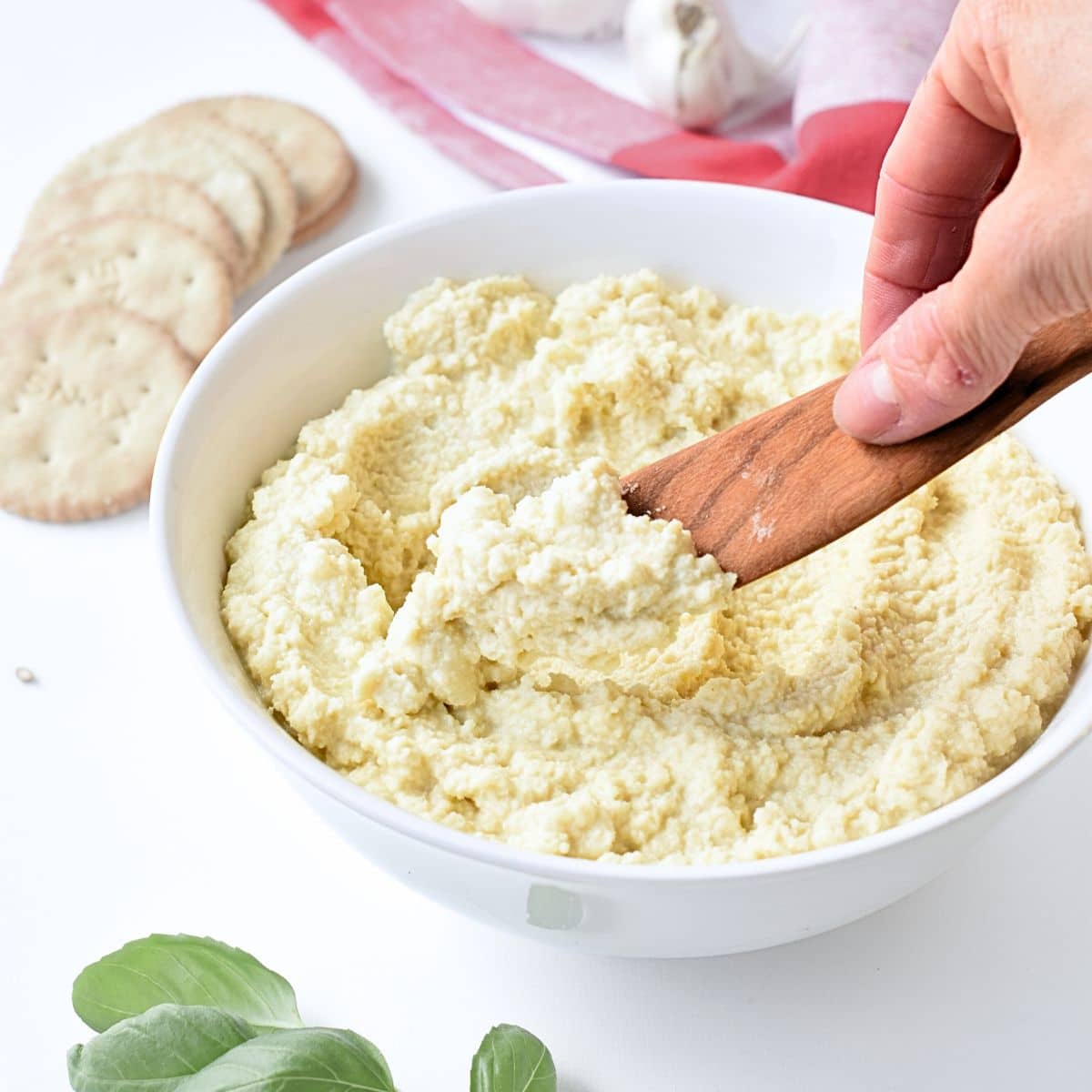
Homemade Almond Ricotta: Your Healthy, Budget-Friendly, and Soy-Free Cheese Solution
In a world increasingly embracing plant-based living, finding suitable dairy-free alternatives that satisfy both taste buds and dietary needs can sometimes feel like a quest. While the vegan cheese market has undeniably blossomed, many options remain expensive, highly processed, or simply don't hit the mark for specific dishes. This is where homemade
almond ricotta steps in, offering a remarkably simple, delicious, and versatile solution. Imagine a creamy, tangy, and subtly cheesy spread that's entirely dairy-free, gluten-free, and most importantly, soy-free – crafted right in your own kitchen with minimal effort and cost.
Forget the struggle of searching for the perfect store-bought substitute; this guide will walk you through creating your own superior
vegan ricotta cheese from scratch. It’s not just a recipe; it’s an empowerment to take control of your ingredients, tailor flavors to your liking, and enjoy a fresh, wholesome alternative that rivals its dairy counterpart in almost every application. Ready to transform a handful of pantry staples into culinary magic? Let's dive in!
Why Choose Homemade Almond Ricotta? A Trio of Benefits
Opting for homemade
almond ricotta isn't just a culinary choice; it's a lifestyle upgrade that brings a host of benefits to your table. From health advantages to significant savings, this plant-based cheese alternative is a game-changer.
Health-Conscious & Allergen-Friendly
One of the primary drivers for many exploring plant-based alternatives is health. Traditional dairy ricotta can be high in saturated fat and cholesterol, and for those with dairy allergies or intolerances, it's simply off-limits. Our homemade
vegan ricotta cheese is a stark contrast. Made primarily from raw almonds, it’s naturally:
*
Dairy-Free: Eliminating issues for lactose intolerance or dairy allergies.
*
Soy-Free: A huge advantage for individuals avoiding soy due to allergies or dietary preferences. Many commercial vegan cheeses rely heavily on soy.
*
Gluten-Free: Naturally gluten-free, as long as your other ingredients (like nutritional yeast) are certified GF.
*
Whole Food Based: You control every ingredient, ensuring no unnecessary additives, preservatives, or artificial flavors. This means a cleaner, more nutritious product. Almonds themselves are packed with healthy fats, protein, and fiber, contributing to a truly wholesome spread.
Budget-Friendly Brilliance
Let's face it: specialty vegan products, including many store-bought vegan cheeses, can carry a hefty price tag. The cost of a small tub of pre-made vegan ricotta can quickly add up, especially if you use it regularly. Making your own
almond ricotta at home offers substantial savings. Raw almonds, while not the cheapest nut, are significantly more cost-effective when purchased in bulk compared to their processed cheese counterparts. When you factor in that you only need a few other basic pantry staples – lemon juice, salt, and water – the economic argument for homemade becomes incredibly compelling. It's a smart way to enjoy premium taste without breaking the bank.
Simplicity, Speed, and Versatility
Perhaps one of the most surprising aspects of this homemade delight is its ease of preparation. With just 4 core ingredients (including water and salt!) and the help of a blender or food processor, you can whip up a batch of creamy
vegan ricotta cheese in mere minutes of active prep time. While soaking the almonds requires some foresight, the actual blending process is incredibly quick. This makes it perfect whether you need it for a spontaneous weeknight dinner or a planned weekend feast.
Beyond its simplicity, its versatility is unmatched. This almond ricotta isn't just a one-trick pony; it can be used in almost any recipe calling for traditional ricotta. From savory Italian classics to surprisingly delightful sweet treats, its mild, adaptable flavor profile makes it a kitchen superhero. Want to know how quickly you can get this done? Check out our guide on
Make Vegan Almond Ricotta in Minutes with Just 4 Ingredients for even more speed tips!
The Simple Magic of Ingredients: What You'll Need
Creating the perfect batch of
almond ricotta hinges on a few core ingredients, each playing a crucial role in achieving that creamy, tangy, and subtly cheesy profile. The beauty lies in their simplicity and accessibility.
The Essential Four (and a Fifth)
1.
Raw Almonds: This is the star of our show. You can use whole blanched almonds, almond slivers, or even whole almonds with their skins on.
*
Chef's Insight: While whole almonds with skins work, they will give your ricotta a slightly coarser texture and a less pristine white color. For the smoothest, creamiest, and brightest white ricotta, blanched almonds (skins removed) are ideal. Soaking the almonds is absolutely critical for optimal texture; it softens them significantly, allowing for a much smoother blend and a truly luxurious mouthfeel. Aim for at least 6 hours, or ideally overnight. If you're really in a pinch, a quick soak in very hot water for an hour can work, though the final texture may not be quite as silken.
2.
Acidity (Lemon Juice, Lime Juice, or Apple Cider Vinegar): This is what provides the essential tanginess that mimics the traditional "fresh" notes of dairy ricotta and helps balance the richness of the almonds.
*
Chef's Insight: Fresh lemon juice is often preferred for its bright, clean flavor. Apple cider vinegar can offer a slightly different, bolder tang. Experiment to find your favorite!
3.
Salt: Non-negotiable for flavor. Salt enhances all the other flavors, bringing the ricotta to life and preventing it from tasting bland.
4.
Water: The liquid base that helps blend everything into a smooth, spreadable consistency.
*
Chef's Insight: Start with less water than you think you need and add gradually. This gives you precise control over the final texture, ensuring your ricotta isn't too runny. It's easier to add more liquid than to thicken a too-thin batch.
5.
Nutritional Yeast (Optional, but Highly Recommended for Savory Uses): While not strictly one of the "four," nutritional yeast is a game-changer for imparting a distinctly savory, umami-rich, and "cheesy" flavor that truly elevates your
vegan ricotta cheese, especially for savory applications. Start with a tablespoon and adjust to your taste.
Optional Flavor Boosters
While the base recipe is fantastic on its own, you can customize your
almond ricotta with additional ingredients for specific culinary purposes:
*
Garlic Powder/Onion Powder: If you know you'll be using your ricotta primarily for savory dishes like lasagna or pizza, a hint of garlic powder (and optional onion powder) adds a wonderful aromatic depth. For versatility, many prefer to omit these from the base and add them directly to the final dish or portion of ricotta they're using.
*
Fresh Herbs: Finely chopped fresh herbs like parsley, basil, chives, or oregano can be blended in for an immediate burst of fresh flavor.
*
Black Pepper: A pinch of freshly ground black pepper can add a subtle kick and complexity.
Crafting Your Perfect Vegan Ricotta: Step-by-Step
Making your own
almond ricotta is incredibly straightforward, but a few key techniques will ensure you achieve that perfectly creamy, flavorful result.
Step 1: The All-Important Almond Soak
Begin by soaking your raw almonds. As mentioned, this is crucial for achieving a smooth, creamy texture. Place your blanched almonds in a bowl and cover them with plenty of cold water. Let them soak for at least 6 hours, or ideally overnight, at room temperature or in the refrigerator.
*
Chef's Tip for Rushing: If time is of the essence, you can do a quick soak. Place almonds in a heat-proof bowl, cover with boiling water, and let them sit for 30-60 minutes. Drain and rinse thoroughly. While this speeds up the process, overnight soaking yields the absolute smoothest consistency.
Once soaked, drain the almonds thoroughly and rinse them under cold water. This removes any phytic acid and contributes to a cleaner taste.
Step 2: Blend to Perfection
Transfer the drained, soaked almonds to a high-speed blender or food processor. Add your acidity (lemon juice, lime juice, or apple cider vinegar), salt, and any optional nutritional yeast or garlic/onion powder if using.
Now, add *half* of the recommended water amount to start. Secure the lid and begin blending.
*
Chef's Technique: Start on a low speed, then gradually increase to high. You'll need to stop the machine frequently, scrape down the sides with a silicone spatula, and push the almonds towards the blades. This ensures all ingredients are uniformly incorporated and prevents air pockets. Continue blending until the mixture is incredibly smooth and creamy. It should resemble a thick paste or a very thick spread at this stage.
As you blend, assess the consistency. If it's too thick or the machine is struggling, add the remaining water a tablespoon at a time, blending well after each addition, until you reach your desired level of creaminess. Some prefer a thicker, more spoonable ricotta for things like lasagna, while others might like it slightly looser for spreading on crostini. The beauty of homemade is you control it!
Step 3: Taste, Adjust, and Enjoy
Once your
vegan ricotta cheese has reached the perfect smooth consistency, it's time for the final and most enjoyable step: tasting and adjusting!
Take a small spoonful and evaluate the flavor.
*
Need more tang? Add a little more lemon juice or apple cider vinegar.
*
Is it a bit bland? A pinch more salt will do wonders.
*
Craving more cheesiness? Stir in another half to full tablespoon of nutritional yeast.
Blend again briefly to incorporate any adjustments. Your homemade almond ricotta is now ready to use! Store any leftovers in an airtight container in the refrigerator for up to 5-7 days.
Beyond Lasagna: Unleashing the Versatility of Almond Ricotta
One of the most exciting aspects of homemade
almond ricotta is its incredible versatility. While it's a phenomenal stand-in for traditional ricotta in classic Italian dishes, its applications extend far beyond. This
Dairy-Free Almond Ricotta: The Ultimate Versatile Cheese Alternative truly shines in countless culinary scenarios.
Savory Sensations
*
Italian Classics: This is where almond ricotta truly excels. Use it generously in your next vegan lasagna, stuffed shells, manicotti, or ravioli. Its creamy texture and mild tang complement rich tomato sauces perfectly.
*
Pizza & Flatbreads: Dollop spoonfuls onto your homemade vegan pizza, flatbreads, or even savory tarts for a burst of creamy goodness. It browns beautifully and adds a lovely contrast to other toppings.
*
Crostini & Crackers: Spread it on toasted baguette slices or your favorite crackers. Top with fresh herbs, sun-dried tomatoes, roasted red peppers, or a drizzle of balsamic glaze for an elegant appetizer.
*
Sandwiches & Wraps: Use it as a healthy, creamy spread in sandwiches and wraps instead of mayonnaise or other spreads. It pairs wonderfully with roasted vegetables, avocado, and fresh greens.
*
Stuffed Vegetables: Mix it with breadcrumbs, herbs, and spices to stuff bell peppers, zucchini, or mushrooms before baking.
*
Creamy Pasta Sauce: Thin it slightly with a little pasta water or plant milk to create a luscious, creamy sauce for pasta or gnocchi.
*
Dolloped on Roasted Veggies: A spoonful of almond ricotta adds a touch of elegance and creaminess to roasted asparagus, broccoli, or sweet potatoes.
Sweet Surprises
Don't limit your
vegan ricotta cheese to savory dishes alone! Its mild flavor makes it an excellent base for sweet applications, especially if you omitted the garlic/onion powder.
*
Fruit & Toast Topper: Spread it on toast or bagels and top with fresh berries, sliced bananas, a drizzle of maple syrup, or a sprinkle of cinnamon.
*
Dessert Fillings: Incorporate it into lighter dessert fillings, such as a dairy-free "cheesecake" base, or a filling for crepes and pastries. A touch of vanilla extract and a sweetener like agave or maple syrup will transform it.
*
Parfait Layers: Layer almond ricotta with granola, fresh fruit, and a swirl of fruit compote for a healthy and satisfying breakfast or dessert parfait.
The possibilities are truly endless. This homemade almond ricotta empowers you to experiment and discover new favorite ways to enjoy plant-based goodness in your everyday cooking.
Conclusion
Embracing homemade
almond ricotta is more than just making a dairy-free cheese alternative; it's a step towards healthier eating, smarter budgeting, and unlocking a world of culinary creativity. With its incredibly simple ingredients and minimal effort, you can produce a superior
vegan ricotta cheese that rivals store-bought options in both taste and texture, without the added preservatives or cost. Whether you're a seasoned plant-based enthusiast or just beginning your journey, this versatile, healthy, and soy-free staple is sure to become a beloved addition to your kitchen. So, gather your almonds, fire up your blender, and prepare to be amazed by the delicious potential of homemade almond ricotta!